

.webp&w=3840&q=75)
Canada's immigration system is increasingly rewarding applicants who have a clear PR strategy before they apply for a study permit or work permit.
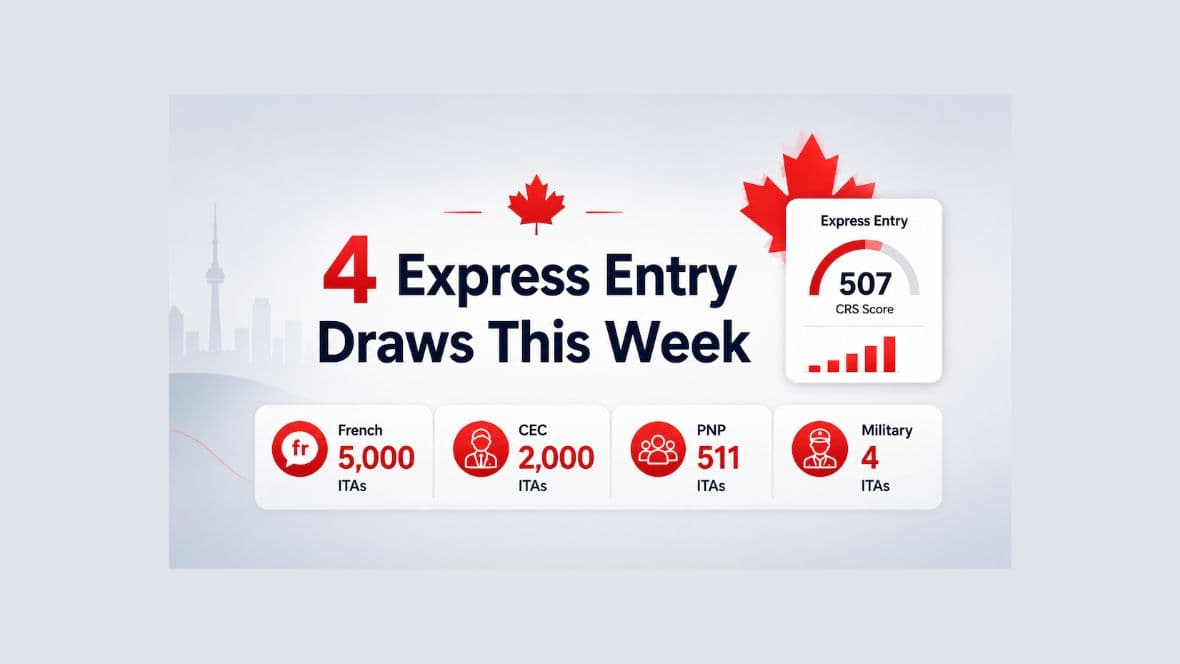
The 2026 immigration landscape looks very different from just a few years ago. Ottawa is reducing temporary resident levels, tightening some study and work permit pathways, and increasingly relying on category-based Express Entry draws to select candidates in sectors facing labour shortages, including healthcare, trades, transportation, and education.
How Canada's Immigration Policy Is Changing in 2026
Canada's latest immigration changes are not just about reducing temporary resident numbers. They signal a broader shift in how newcomers are selected.
The government is placing greater emphasis on long-term economic needs, labour shortages, and permanent residence outcomes.
Instead of focusing only on who can enter Canada temporarily, immigration programs are increasingly rewarding applicants who have a realistic path to staying permanently.
Why a PR Strategy Now Starts on Day One
For years, many newcomers arrived in Canada first and explored permanent residence options later. That strategy is becoming less reliable.
Today, applicants who understand their future PR options before applying for a study permit or work permit may have a stronger advantage. Immigration decisions are becoming more connected to:
- Post-Graduation Work Permit eligibility
- Future Express Entry opportunities
- Provincial nominee eligibility
- Employment prospects after graduation
- Family immigration options
Candidates with French-language proficiency or experience in targeted occupations may benefit from additional immigration opportunities.
Not sure which pathway best matches your profile? Try the UmberApp PNP Finder to explore your options.
How Study and Work Choices Can Affect Your PR Eligibility
A study permit or work permit is no longer just a temporary status document. For students, the choice of program can influence future work opportunities, Post-Graduation Work Permit eligibility, and access to immigration pathways.
A program connected to in-demand occupations may provide stronger long-term opportunities than one with limited labour market demand. For workers, occupation selection matters more than ever.
Many federal and provincial immigration programs now prioritize sectors facing labour shortages, including healthcare, skilled trades, transportation, construction, and education.
Why Express Entry Planning Matters Earlier Than Ever
Many applicants only begin thinking about Express Entry after graduating or gaining Canadian work experience. That may be too late.
Factors such as language test scores, education credentials, occupation category, and provincial nomination opportunities can significantly affect an applicant's future competitiveness. Building these factors into an immigration plan early can create more options later.
Applicants who improve language scores or target priority occupations often place themselves in a stronger position before entering the Express Entry pool.
Four Questions Every Applicant Should Ask
Before investing thousands of dollars in tuition, applications, or relocation costs, applicants should know:
- Does my occupation align with Canada's labour shortages?
- Which province offers the strongest pathway for my profile?
- Can I improve my English or French scores before applying?
- What realistic PR options will I have within two to three years?
Many applicants focus on getting approved for a permit but never ask what happens next.
Why PR Planning Now Starts Before You Land
Canada is not ending immigration. It is becoming more selective about who stays. The newcomers most likely to succeed in 2026 will not necessarily be those with the highest budgets or the fastest approvals.
They will be the people who arrive with a clear roadmap to permanent residence already in place. In today's immigration system, the smartest PR plan may begin long before your flight to Canada.