

.webp&w=3840&q=75)
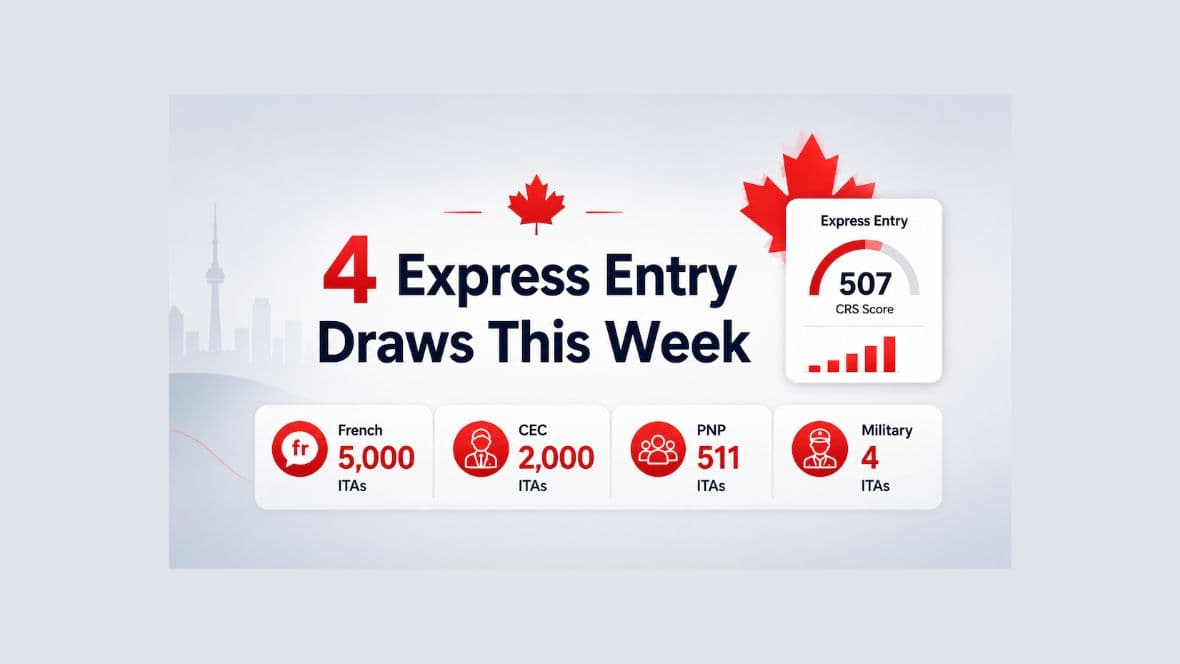
More Provincial Nominee Program (PNP) nominations may take place as provinces and territories are pushing Ottawa for a larger role in selecting economic immigrants under Canada's next immigration plan.
According to a Forum of Ministers Responsible for Immigration (FMRI) meeting summary released by Immigration, Refugees and Citizenship Canada (IRCC) on June 23, provinces called for higher Provincial Nominee Program allocations and greater influence over economic immigration planning for 2027-2029.
Lena Metlege Diab said that the governments must balance "sustainability and system integrity" while continuing to attract the talent needed to support Canada's economy.
Why Are Provinces Asking for More PNP Allocations?
Provinces want greater control over economic immigration. Unlike federal immigration programs, PNPs allow provinces to select candidates based on local labour market needs.
Many regions continue to face worker shortages in health care, skilled trades, transportation, construction, manufacturing, and technology.
Provincial ministers said that the current allocations do not fully reflect those needs and called for larger PNP and Atlantic Immigration Program (AIP) quotas as Ottawa prepares the 2027-2029 Immigration Levels Plan.
Not sure which provincial immigration pathway may suit your profile? Try the UmberApp PNP Finder for a quick eligibility check.
What Does This Mean for Immigration Candidates?
If provinces receive more nomination spaces, several groups could benefit:
- Express Entry candidates seeking a provincial nomination
- Temporary foreign workers already employed in Canada
- International graduates looking for permanent residence pathways
- Applicants targeting smaller provinces with labour shortages
- French-speaking candidates outside Quebec
A provincial nomination remains one of the strongest advantages in Canada's immigration system because it adds 600 CRS points, virtually guaranteeing an Invitation to Apply through Express Entry.
The Shift Toward In-Canada Immigration
The discussion was not only about increasing PNP allocations.
Ministers also talked about improving pathways for people already living in Canada to transition from temporary status to permanent residence. This is an important signal as Canada is simultaneously trying to reduce its temporary resident population while maintaining economic growth.
This could influence future immigration policies by prioritising workers and graduates who are already contributing to the Canadian labour market.
Express Entry Changes Could Follow
Another notable discussion focused on reducing overlap between federal and provincial selection systems and improving Express Entry's ability to address regional labour needs.
While no specific changes were announced, provinces are clearly seeking a stronger voice in how economic immigrants are selected.
This might eventually lead to more targeted selection categories, greater provincial influence in Express Entry, or new pathways designed around regional workforce demands.
What to Watch Next?
Immigration applicants should closely monitor three developments:
- Future PNP allocation announcements
- The 2027-2029 Immigration Levels Plan
- Potential Express Entry reforms linked to regional labour needs
The meeting also reaffirmed Canada's goal of increasing Francophone immigration outside Quebec to 12% of permanent resident admissions by 2029, signalling continued opportunities for French-speaking candidates.
The final 2027-2029 Immigration Levels Plan will reveal whether Ottawa responds to those requests. For immigration candidates, the biggest questions are whether PNP allocations increase, how future Express Entry draws are structured, and what new opportunities may emerge for workers and international graduates already in Canada.