

%20(1).webp&w=3840&q=75)
Canada no longer wants unlimited international student growth tied directly to immigration, with Indian students facing the biggest immigration reset in Canada because the country is no longer treating international education as a guaranteed pathway to permanent residency.
For nearly a decade, Canada built an immigration system that quietly encouraged international students, especially from India, to believe that studying in Canada would eventually lead to work permits, PR, and citizenship. Colleges marketed that dream aggressively. Recruiters sold it even harder. And for years, the system rewarded it.
This era is now coming to an end. In 2026, Canada’s immigration system looks completely different from what Indian students saw just three or four years ago. The federal government is now actively reducing temporary resident numbers, tightening post-study work rules, limiting family benefits, and targeting low-quality colleges that fueled massive student intake growth.
Canada Is Reversing Years of Immigration Expansion
For years, Canada depended heavily on international students to support:
- Labour shortages
- College revenues
- Rental housing demand
- Population growth
- Immigration targets
Indian nationals used to represent over half of all incoming international students to Canada in 2023, which lowered to 33.6% in 2024 and to 8.1% by September 2025. Most of the private colleges, especially in Ontario, became financially dependent on Indian enrolment. Immigration consultants openly marketed “study-to-PR” pathways as predictable and straightforward.
But Canada is now facing:
- Housing shortages
- Rising rents
- Overcrowded colleges
- Exploitation of students
- Fake job offers
- Abuse of work permit pathways
- Public backlash over immigration levels
The federal government is now trying to slow the system down without openly admitting that the old model became unsustainable.
Study Permit Caps Changed Everything
The biggest turning point was the introduction of national study permit caps. Instead of allowing colleges to bring in unlimited numbers of students, the government started restricting approvals province by province. Provinces were forced to issue attestation letters, institutions lost flexibility, and approval rates became far more unpredictable.
For Indian applicants, this changed the immigration calculation entirely. A student may spend lakhs on tuition deposits, pay agents, arrange Canadian Guaranteed Investment Certificate (GIC) funds, secure admission, and still face refusal because overall intake numbers are being reduced.
Canada’s student system is no longer expansion-focused. It is now restriction-focused.
PGWP Restrictions Are Quietly Reshaping Student Choices
Canada also started tightening Post-Graduation Work Permit eligibility rules, especially for private college partnerships and low-value programs. This is one of the most important immigration shifts that many students still underestimate.
Students used to pick the cheapest program that helped them get a post graduate work permit and later get a PR. This strategy worked great during Canada’s high-intake years.
The Federal government is now trying to change this model. Programs linked to weak labour market outcomes are facing more scrutiny. Certain institutions are losing credibility. Some graduates are discovering too late that their program no longer offers the same immigration advantages it once did.
Spouse Work Permit Restrictions Are Another Major Shock
One of the biggest overlooked changes is Canada limiting open work permits for spouses of international students.
This matters especially for Indian families because many students relied on dual-income survival strategies.
Previously:
- One partner studied
- The spouse worked full-time
- Combined income helped cover rent and living costs
That model became extremely common among Indian students.
But Canada is now narrowing eligibility mainly toward higher-level or priority programs.
The financial impact is massive.
Students who once planned family-based migration strategies are now realizing:
- Household income may drop sharply
- Living costs are harder to manage
- PR timelines are becoming less certain
This is changing how many Indian families evaluate Canada entirely.
Express Entry No Longer Works the Same Way
Many students still think the old Express Entry logic applies:
- Get Canadian education
- Gain work experience
- Increase CRS
- Wait for PR
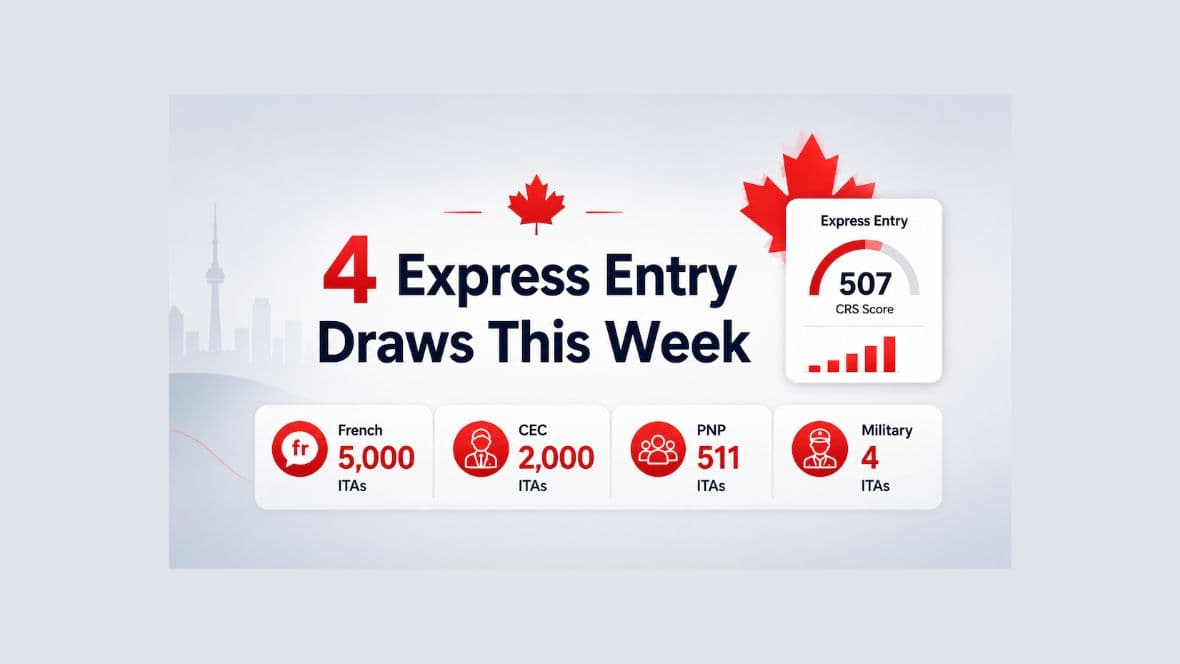
But category-based selection changed the game completely. Now, immigration invitations are increasingly targeted toward healthcare workers, French speakers, trades occupations, and priority sectors.
Meanwhile, many international graduates from generic diploma programs are getting stuck with low CRS scores, expiring permits, limited job prospects, and fewer direct PR pathways.
Explore current immigration pathways through Express Entry and provincial options through the Provincial Nominee Program (PNP).
Why 2026 Feels Different From Previous Years
Previous immigration slowdowns were temporary. The present reforms feel structural. Canada is not only pausing intake growth, but is redesigning the relationship between temporary residents and permanent immigration.
The government now wants:
- Fewer temporary residents overall
- Better-quality students
- Stronger labour-market alignment
- Reduced pressure on housing and infrastructure
- More control over immigration pathways
Indian students are caught directly in the middle of this transition as they represented the largest and fastest-growing group during Canada’s immigration boom years.
Not sure which immigration pathway may fit your profile? Try the UmberApp PNP Finder for a quick eligibility check.